
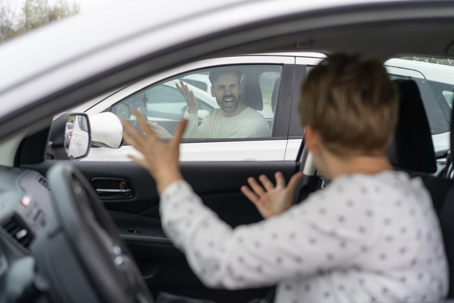
Over the past two decades, incidents of aggressive driving and road rage have climbed dramatically. Rates of these behaviors tend to peak during the summer months, with July-October being an especially hazardous time. With this in mind, and with the summer months quickly approaching, we wanted to talk a bit more about what aggressive driving and road rage is, and how you can stay safe on the road.
What Is Aggressive Driving/Road Rage?
While aggressive driving and road rage are closely linked, they are not the same thing. According to the National Highway Traffic Safety Administration (NHTSA), aggressive driving is when “individuals commit a combination of moving traffic offenses so as to endanger other persons or property.” Common examples of these offenses include speeding, frequently changing lanes, improperly passing vehicles, tailgating, and ignoring stop signs/traffic lights. It's estimated that roughly 30% of all traffic crashes can be attributed to aggressive driving, with speeding being the most prevalent involved behavior. While aggressive driving behaviors can lead to accidents or harm, aggressive behaviors are traffic offenses and are typically not done with the express intent to harm another.
Road rage, on the other hand, is “an intentional assault by a driver or passenger with a motor vehicle or a weapon that occurs on the roadway or is precipitated by an incident on the roadway.” This may take the form of using one's car to ram into another vehicle/person, or it may take the form of someone using a deadly weapon to harm someone else or their property following a roadway incident. Road rage has increased dramatically over the past 10 years, with it being estimated to be the cause of around 300 fatalities since 2013. Aggressive driving is typically a preceding factor to road rage incidents.
How Do I Stay Safe?
While you cannot control the behaviors of others on the road, there are a few things you can do to avoid incidents of road rage or prevent them from escalating such as:
- Drive defensively: Be aware of others around you while driving. Focus on your driving, and keep a safe distance between you and other drivers.
- Be patient: Assume other driver's aggressive/provocative behaviors are not personal. Allow other cars to pass you if they are acting aggressively.
- Don't act aggressively: Don't meet aggression with aggression. Use your horn sparingly, and avoid becoming reactive. Avoid eye contact with, and ignore, aggressive drivers.
- Plan ahead: Leave early for your destination and plan for unforeseen delays. Most aggressive behaviors and road rage occurs during rush hours.
If you feel threatened by another motorist, call 911 and drive to a public place if possible, but do not engage with the motorist if possible. You can also report aggressive drivers by calling 311 and providing information such as the vehicle's description, license plate number, and direction of travel. If you have any questions, or if you believe you have been involved in an accident or incident involving road rage/aggressive driving, please don't hesitate to contact us.